
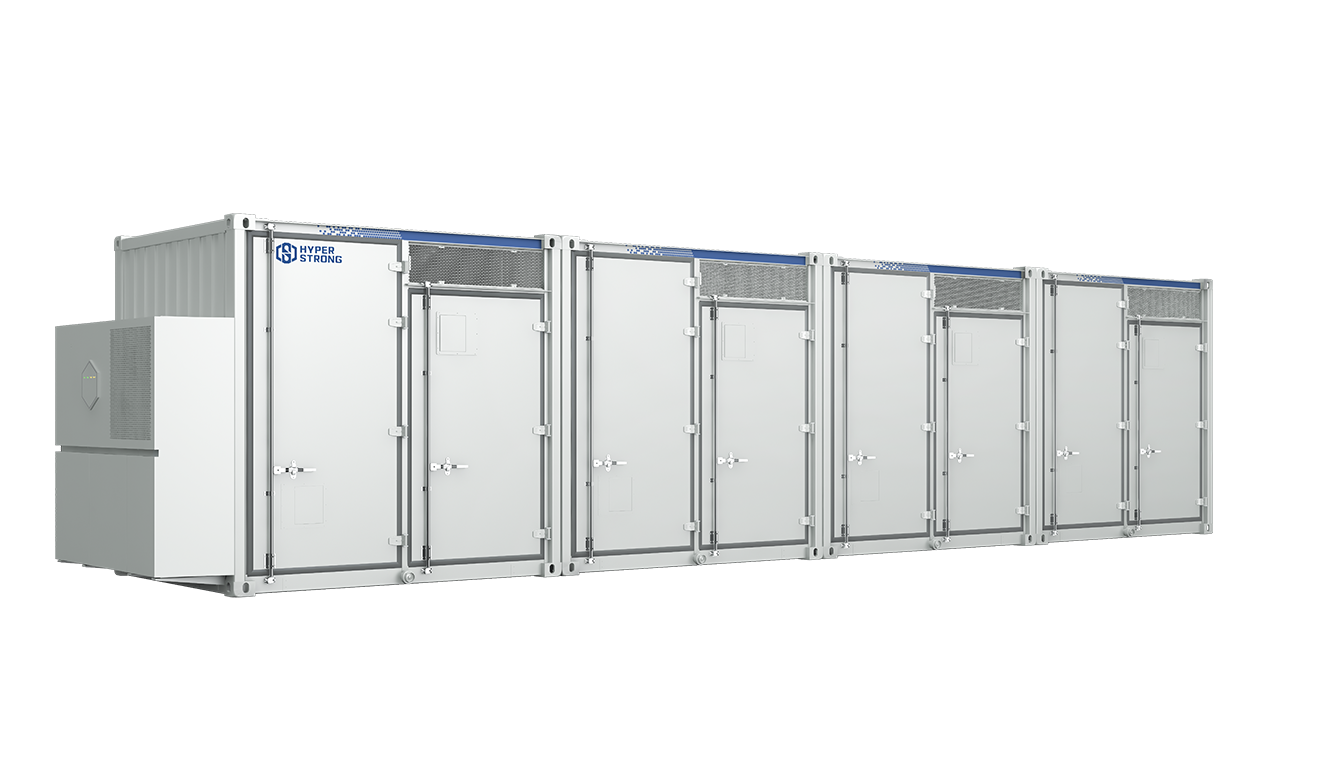
The emergence of decentralized energy models has introduced new transactional frameworks for distributed assets. Blockchain technology provides a method to facilitate peer-to-peer (P2P) energy trading, where a solar battery storage system can autonomously sell excess power to neighboring consumers. This application adds a revenue layer to the core function of a battery energy storage system.
Automating Transactions with Smart Contracts
The operational core of this model is the smart contract, a self-executing agreement embedded on a blockchain. When a prosumer’s solar battery storage system has surplus energy, the smart contract can automatically list it for sale based on pre-set parameters like minimum price. A matching contract from a buyer completes the transaction, triggering the battery energy storage system to discharge a specific amount of energy to the grid, with the exchange recorded immutably.
Establishing Transparency and Verifiable Data
Every kilowatt-hour traded is cryptographically recorded, creating a transparent and auditable ledger. This verifies the renewable origin of the energy from the solar battery storage system and ensures accurate billing without a central intermediary. The immutable record provides trust among participants and simplifies regulatory reporting, as the entire chain of custody for the energy is documented from generation to consumption.
Managing Settlement and Grid Interaction
Blockchain manages the financial settlement directly between parties, often using digital tokens or integrating with traditional payment systems. For the physical grid, the local distribution network must manage the energy flows. Therefore, the battery energy storage system must communicate with grid operators to ensure stability, making the P2P trade a financial layer on top of regulated physical electricity delivery.
Integrating blockchain with a solar battery storage system creates a platform for decentralized energy markets. This technology enables the automatic, secure monetization of stored solar power. For implementers, the focus remains on ensuring the underlying battery energy storage system is technically capable of responding to automated market signals. Organizations such as HyperStrong can apply their integration expertise to ensure the storage hardware and energy management systems are compatible with such advanced transactional layers, supporting the evolution of solar battery storage system capabilities.