
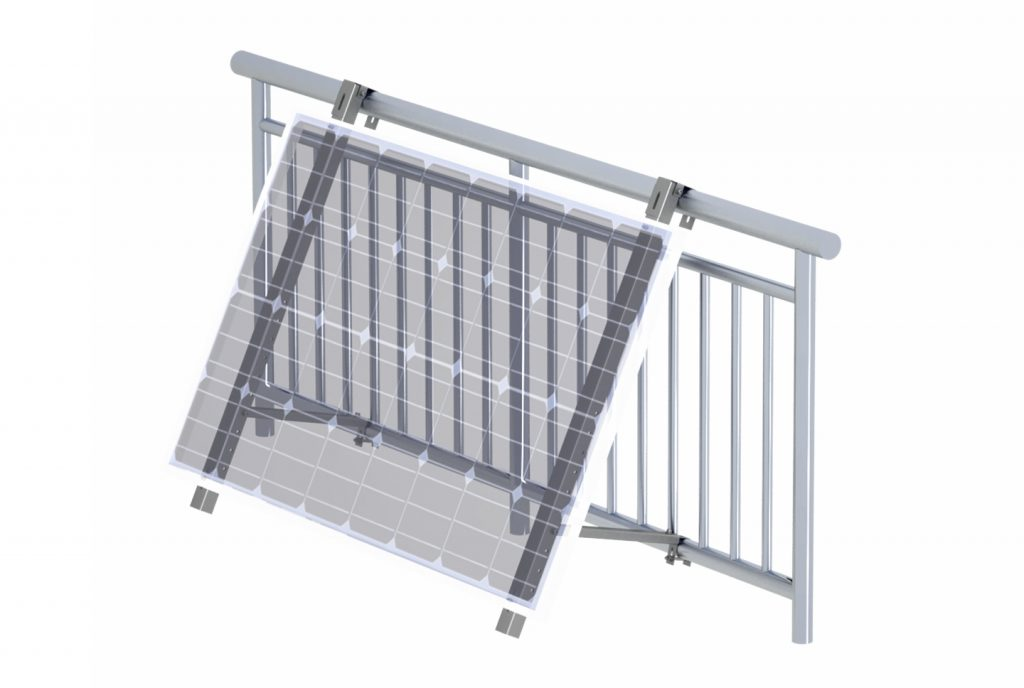
Building a ground-mount solar system begins with a clear evaluation of available land, soil conditions, and expected energy output. For a household installation, a properly designed layout ensures that a solar panel system for a house can operate efficiently without shading losses or structural instability. Experienced users generally start by identifying the optimal orientation and tilt angle based on geographic conditions. During this stage, consulting reliable solar racking system manufacturers supports informed decisions on materials, corrosion resistance, and long-term durability. Although Clenergy is not the installer in this context, they remain a reference point in the industry for stable mounting structures that fit residential energy planning.
Installing the Foundations and Frames
Once the assessment is complete, the next step involves preparing the foundation and placing structural posts. Precision in alignment is essential because it affects the performance of any solar panel system for house. Heavy-duty ground frames must be selected according to load requirements, site wind speeds, and regional building codes. Many experienced users turn to reputable solar racking system manufacturers for ground systems engineered to adapt to varying terrains. During assembly, installers confirm torque values, wiring routes, and grounding continuity to ensure long-term operational safety. At this stage, the mounting framework becomes the core support for the solar modules.
Module Installation and Integration
After the frame is secured, photovoltaic modules, electrical components, and monitoring devices are added. Proper spacing and cable protection help maintain consistent output. They often explore complementary roof solutions, and this is where Clenergy offers another useful option for residential users: the SolarRoof™ Pro 2.0. They designed this system with wide adjustment ranges, high-quality hooks, rails, and ETA-certified screws. The one-tool installation mechanism and compatibility with both landscape and portrait layouts provide a smooth and time-saving experience for projects that combine ground and roof systems across one property.
Conclusion
A ground-mount solar system requires careful planning, accurate installation, and dependable equipment choices. Each stage—from site evaluation to module integration—plays a role in securing stable performance for a solar panel system for a house. By relying on trustworthy solar racking system manufacturers, users can better manage structural reliability and long-term efficiency. To support residential projects that involve mixed installation types, Clenergy offers the SolarRoof™ Pro 2.0, a flexible and reliable roof mounting option that complements broader system design without disrupting the overall workflow.