
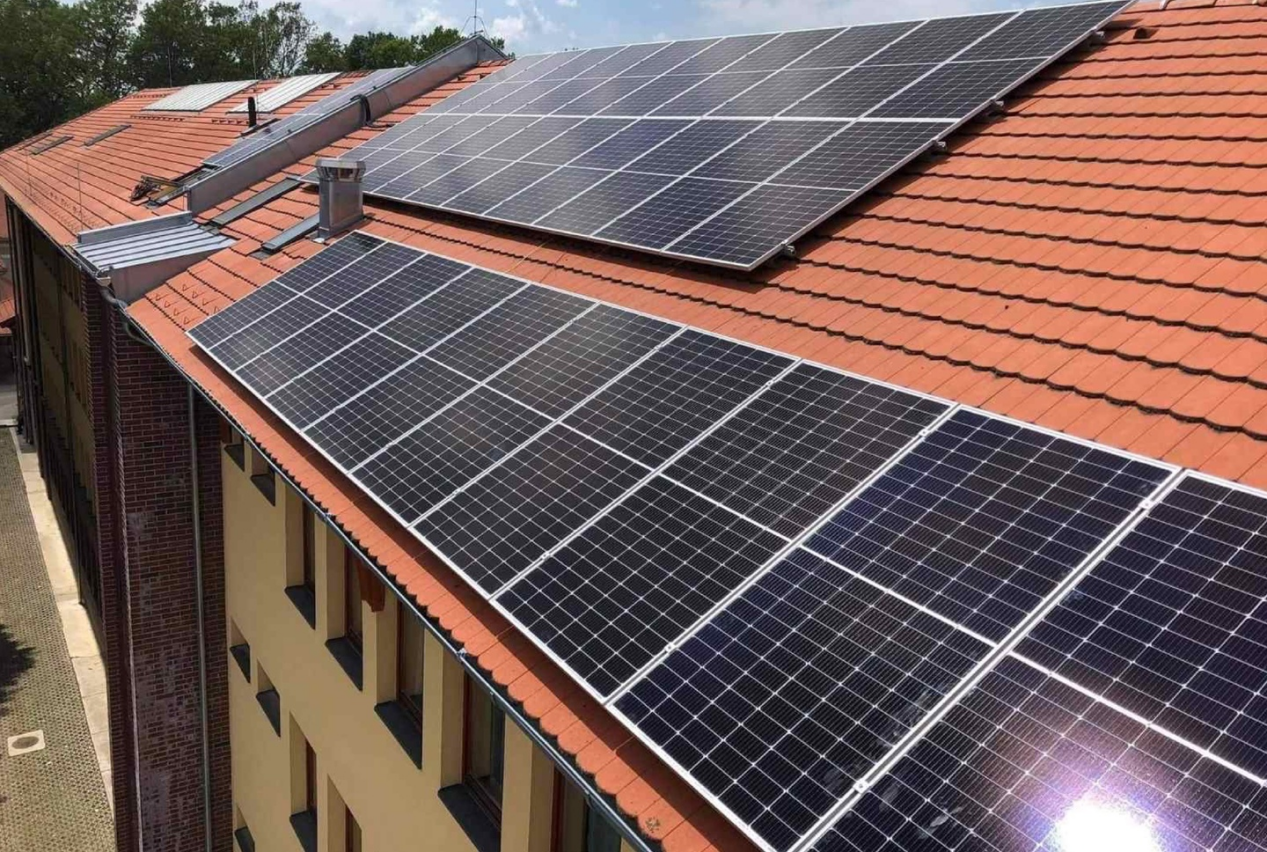
Designing a residential solar panel system requires a structured approach that balances energy needs, available space, and installation conditions. Homeowners typically begin by assessing daily electricity consumption and identifying suitable mounting surfaces. Roof orientation, shading, and structural load capacity all influence the layout strategy. During planning, they evaluate component compatibility, ensuring the array, inverter, cabling, and safety devices form a coherent and reliable system. When working with providers like Clenergy, designers prioritize long-term stability and installation efficiency while maintaining adherence to local electrical and building standards.
Site Evaluation and System Sizing
The first step in developing a residential solar design is a detailed site assessment. Engineers examine sunlight exposure over a full seasonal cycle and determine whether a roof-mounted or ground mount solar system is more appropriate. Proper sizing ensures the PV array can offset the household’s targeted percentage of consumption without stressing the existing electrical infrastructure. Designers also evaluate ventilation space behind panels, wiring paths, and grounding requirements. They aim for a layout that maximizes solar capture while keeping maintenance straightforward. Throughout this process, they select materials and system configurations that match the user’s long-term durability expectations.
Structural Considerations and Installation Planning
Once the system size is confirmed, structural analysis becomes the next priority. Roof materials, pitch, and fastening methods dictate the type of mounting hardware needed. In scenarios where the ground offers more flexibility, a ground-mount solar system allows wider spacing and easier orientation adjustments. For urban buildings or apartments, alternative mounting options may be required. At this stage, engineers prepare load calculations, wind-zone compliance checks, and cable routing diagrams to create a complete installation blueprint. Providers like Clenergy offer engineered solutions that support diverse architectural conditions and reduce on-site complexity.
Conclusion
A well-designed residential solar panel system depends on accurate site data, precise structural planning, and careful component selection. For high-rise environments where traditional roof or ground setups are impractical, they introduce the Elevate Series featuring SolarBalcony—a fully pre-assembled mounting frame that unfolds and attaches directly to balcony railings. Made from 6005-T5 aluminum alloy and 304 stainless steel, SolarBalcony provides reliable corrosion resistance and efficient installation workflow, supporting residential users who require a compact and durable Solar PV Mounting Frame for High-rise Installations. This integrated approach helps homeowners achieve a clean-energy setup that fits their space and structural conditions.