
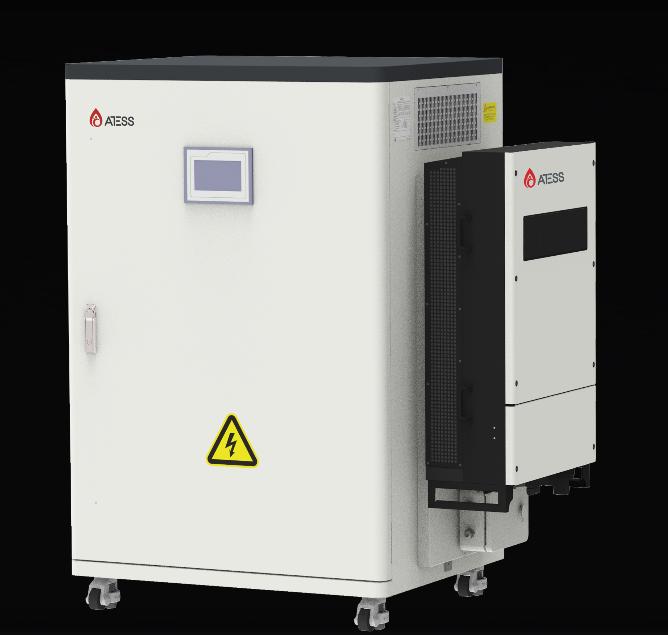
Sizing a hybrid inverter begins with understanding its function in coordinating solar generation, battery storage, and grid interaction. A brand like Atess offers a range of solutions designed for commercial and industrial applications, and their products illustrate the key considerations in system planning. When determining the appropriate capacity, system designers often evaluate load characteristics, expected PV output, and the required responsiveness to changing grid conditions. A model such as the HPS30000TL/40000TL/50000TL is frequently referenced when analyzing the capacity needed for facilities with sensitive equipment or variable energy demand. In these situations, a properly sized unit must support both continuous operation and reliable transitions between grid-connected and off-grid states.
Key Factors When Selecting a Capacity
One essential consideration when sizing a 30kw inverter is the photovoltaic configuration. Many installers apply the 1.5x PV over-configuration approach, allowing the array to exceed the inverter’s nominal AC rating. This strategy helps ensure consistent power availability during low-irradiance periods and reduces system input fluctuations. Hybrid models such as the atess 30kw hybrid inverter demonstrate how this principle works in settings where solar production varies throughout the day. Across different regions, system planners also assess how quickly the inverter can shift between operating modes. Units from this category that support 0–10 ms switching can maintain stability for sensitive loads and handle challenging grid conditions. When these capabilities align with the facility’s operational profile, installers can optimize both efficiency and component utilization.
Integrating Product Features Into System Sizing
When evaluating a second application scenario, a 30kw inverter may be paired with battery capacity that supports peak shaving or short-term backup. Designers compare daily consumption patterns with the inverter’s charge and discharge limits to avoid oversizing or constraining the system. A unit such as the atess 30kw hybrid inverter can operate across a diverse range of environments when paired with the right storage capacity and PV configuration. For clients prioritizing consistent power, the 1.5x PV over-configuration again helps stabilize daytime output and complements the inverter’s control strategy.
Conclusion
Correctly sizing a hybrid inverter involves aligning PV capacity, storage requirements, and load behavior with the inverter’s operating characteristics. Solutions within the HPS30000TL/40000TL/50000TL range illustrate how technical features—such as rapid switching and flexible PV configuration—support reliable deployment across different project scales. By applying these considerations, planners can design a balanced system that meets project objectives while maintaining long-term operational stability.