
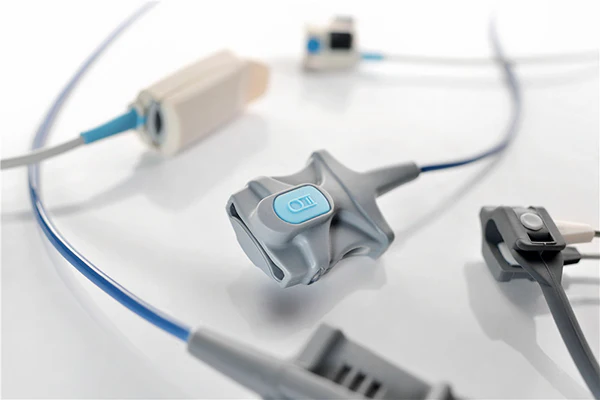
Pulse oximetry is an essential tool in neonatal care, offering real-time data on oxygen saturation levels in infants. When it comes to choosing the right SpO2 sensor for neonates, the size and weight of the sensor play a crucial role in its overall performance. Understanding how these factors impact sensor function can help healthcare providers ensure accurate readings and optimal care for premature or critically ill infants.
The Importance of Size in Neonatal Pulse Oximeter Sensors
Neonates, particularly premature infants, have delicate and small bodies. A sensor that is too large or bulky may cause discomfort, interfere with normal movement, or even result in inaccurate readings. The right-sized SpO2 sensor ensures a snug fit on the infant’s small fingers, toes, or feet, allowing it to maintain proper contact with the skin. Proper sensor placement is vital for obtaining consistent and reliable oxygen saturation data, which is critical for managing the infant’s health.
Smaller sensors, designed specifically for neonatal use, tend to provide better performance by ensuring a secure connection and reducing motion artifact, which can interfere with readings. These smaller sensors, such as those manufactured by Unimed, are tailored to meet the unique needs of neonatal patients, ensuring that each measurement is accurate and trustworthy.
The Role of Weight in Sensor Performance
The weight of the SpO2 sensor is another key factor in its effectiveness for neonatal patients. Lightweight sensors are less likely to cause discomfort or unnecessary pressure on the infant’s delicate skin. Heavier sensors, on the other hand, can be cumbersome and may even result in sensor displacement during use, leading to inaccurate readings or the need for constant repositioning.
Unimed’s disposable SpO2 sensors are designed to be lightweight, minimizing the risk of skin irritation or discomfort while ensuring accurate data collection during neonatal care.
Conclusion
In neonatal care, choosing the right SpO2 sensor is vital for ensuring accurate and reliable oxygen saturation measurements. Both the size and weight of the sensor play significant roles in its overall performance. Smaller, lightweight sensors designed specifically for neonates, such as those offered by Unimed, help provide consistent readings, ultimately supporting better patient care. When selecting a SpO2 sensor manufacturer, it’s essential to choose one that understands the delicate nature of neonatal health and provides tailored solutions.