
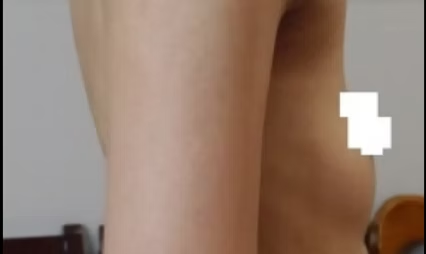
Platythorax is a recognized chest wall deformity characterized by an abnormally flattened chest, a markedly shortened anteroposterior diameter, and loss of the normal curvature of the anterior chest wall. Surgery is not required for every patient with platythorax. It is generally considered when the deformity causes physical symptoms, clinically significant organ compression, or substantial psychological distress related to chest appearance.
When Surgery Becomes Necessary
Platythorax is often asymptomatic, but severe deformity may compress the heart or lungs and cause functional or psychological effects. Surgery is typically considered when the flattened chest begins to impact the heart, lungs, or overall well-being. Key indicators that surgical intervention may be needed include:
Activity-Related Breathing Discomfort: Severe platythorax may cause mild shortness of breath or reduced exercise tolerance during physical activity.
Cardiac Compression: Direct pressure on the heart may cause palpitations; in some patients, it may also impair cardiac function.
Digestive or Respiratory Effects: Severe cases may cause activity-related breathing discomfort. Some patients may also experience digestive symptoms, which may be related to pressure on the stomach or to secondary cardiopulmonary effects.
Psychological Impact: Concern or self-consciousness about chest appearance, which may affect self-esteem and overall quality of life.
Innovative Correction at The Institute of Chest Wall Surgery (ICWS)
For patients who are unsure about surgery, a simple physical examination can usually confirm platythorax, and imaging may be used to check for heart or lung compression. It is important to distinguish platythorax from conditions that can appear similar, such as pectus excavatum or straight back syndrome, which may cause some of the same symptoms. Very thin individuals may also have a flat-looking chest, but with a normal shape that usually does not require surgery.
For patients who require surgery, the Wung Procedure at The Institute of Chest Wall Surgery (ICWS) is a minimally invasive technique developed as an improvement on the traditional Nuss procedure. The procedure uses safer and simpler methods for placing and securing the shaping bars, which significantly enhance surgical safety, reliability, and effectiveness. These improvements also reduce the risk of complications and shorten recovery time, allowing patients to regain comfort and chest function more quickly.
Deciding on the Best Path Forward
The decision to pursue surgical treatment for a skeletal deformity should be made based on individual circumstances and after careful evaluation by the patient and their family. If a patient experiences physical discomfort, reduced stamina, or psychological distress related to chest shape, a medical consultation can help confirm the diagnosis and guide appropriate management. For appropriately selected patients, surgical correction can reduce physical discomfort, improve chest contour, and support a better quality of life, although outcomes vary among individuals.