
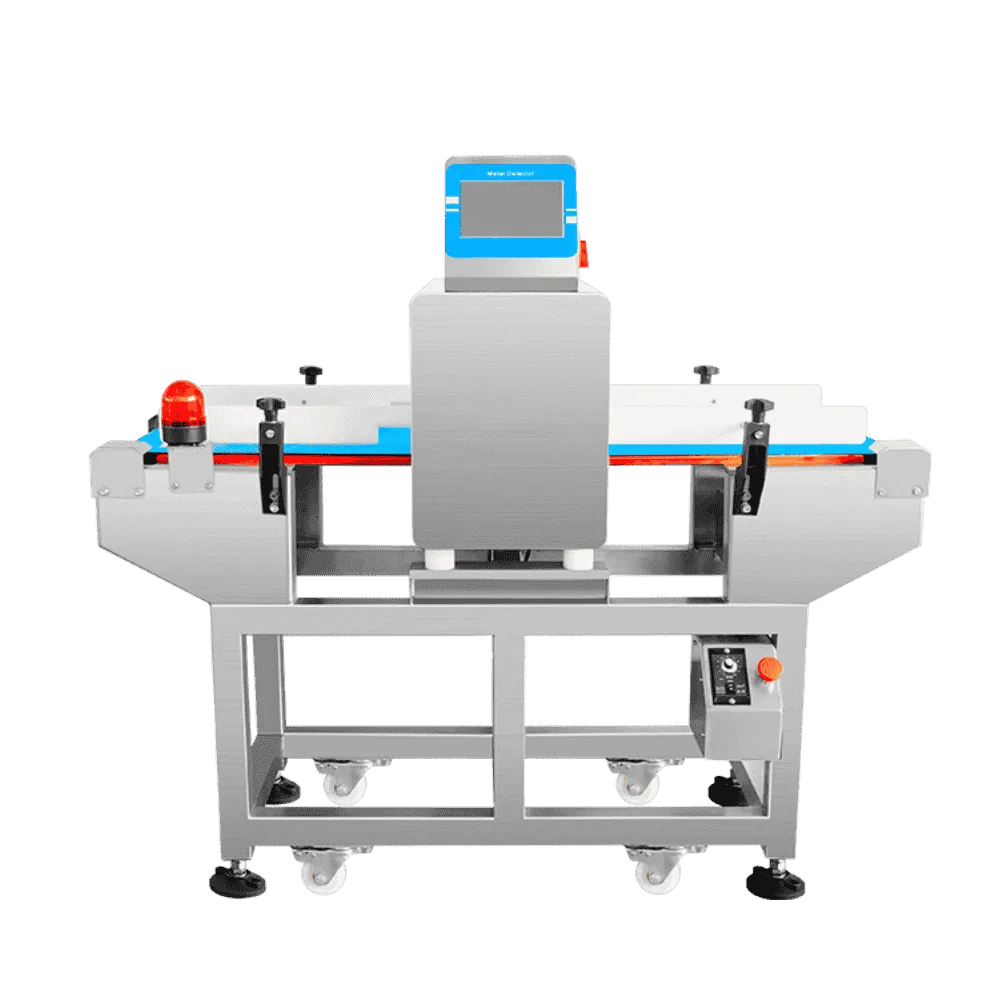
Many food processors use X-ray imaging to detect bone fragments, glass, and metal debris inside sealed packages. Utilizing food X-Ray inspection equipment during high-speed conveyance prevents compromised merchandise from entering consumer markets while maintaining regulatory compliance.
Incorporating hardware solutions developed under the Easyweigh banner allows processing plants to gather real-time analytical metrics alongside foreign body detection. Strategic mechanical integration protects brand integrity, reduces line downtime, and optimizes overall manufacturing efficiency across complex supply networks.
Physical density variations alter energy absorption levels, allowing specialized sensors to reconstruct clear interior representations of moving packages. Unlike traditional surface scanners, electromagnetic energy penetrates sealed foil bags, cardboard cartons, and plastic trays effortlessly.
Continuous density mapping enables operators to inspect sealed packages without damaging protective barrier materials or interrupting downstream workflows. Instantaneous image processing maintains rapid processing speeds across high-volume production channels.
Density Differential Analysis in Sealed Packaging
Operating principles behind electromagnetic scanning rest on measuring variations in absorbed energy as beams pass through moving conveyor items. Denser foreign objects block a higher percentage of photons, producing dark spots against lighter surrounding food matrices.
Raw image data undergoes immediate digital processing via tailored algorithmic software to flag anomalous density spikes. Software filters distinguish harmless natural air pockets from dangerous stone particles or stainless steel fragments within milliseconds.
Multi-density food items, such as stuffed pastries or ready-to-eat meals, require multi-energy scanning setups to prevent false rejections. Adjusting grayscale thresholds allows equipment to ignore normal product contours while isolating true contaminants.
Physical Insertion Points for Optimal Quality Verification
Positioning scanning hardware directly after raw ingredient mixing prevents contaminated bulk stock from damaging downstream processing machinery. Early foreign body removal reduces raw material waste and prevents secondary contamination across later assembly stages.
Secondary verification occurs most effectively immediately following final tray sealing or pouch closure. Scanning finished packages verifies that no metallic fragments or plastic shavings entered during automated cutting and sealing routines.
Placing detection equipment directly before final case packing provides an reliable quality control gate. Final verification verifies that every item meets strict safety guidelines prior to warehouse distribution.
Dual-Purpose Applications Beyond Foreign Object Detection
Modern imaging platforms do more than spot physical debris within conveyances; they verify package integrity simultaneously. Soft tissue volume analysis measures internal fill levels, flagging underfilled or overfilled containers automatically.
Internal structural checks verify missing components, such as absent seasoning packets or broken crackers within sealed trays. Catching structural defects preserves consumer satisfaction and protects brand reputation.
Checking seal integrity using density mapping reveals trapped food particles inside plastic film closures. Eliminating compromised seals prevents premature product spoilage and secondary bacterial growth during transit.
Data Management Across Connected Processing Hardware
Centralized monitoring platforms aggregate inspection data from multiple inline devices, including checkweighers and metal detectors, into unified operational dashboards. Processing units exchange continuous feedback to track trend anomalies across active shifts.
Analyzing shift reports helps plant managers identify failing upstream machinery before major breakdowns occur. Early mechanical adjustments reduce unplanned operational downtime across processing facilities.
Comprehensive data logs preserve complete traceability records for regulatory compliance audits and safety certifications. Utilizing advanced food X-Ray inspection equipment allows quality managers to review historical shift logs and verify strict adherence to safety protocols.
Operational Ergonomics and Daily Maintenance Protocols
Intuitive touchscreen interfaces simplify daily calibration and changeover routines for production line operators. Clear visual diagnostics allow technicians to identify operational faults without extensive technical training.
Modular housing construction simplifies routine sanitation procedures, allowing washdown crews to clean belt surfaces thoroughly. Stainless steel enclosures withstand harsh chemical cleaning agents without degrading structural integrity over time.
Adjustable conveyor speeds accommodate variable line throughputs, ensuring seamless alignment with existing packaging equipment. Flexible mechanical configurations allow plants to adapt hardware to evolving product lines.
Hardware Reliability in Demanding Factory Environments
Continuous operation demands durable internal components capable of withstanding constant thermal stress and vibration. Heat dissipation fins radiate thermal energy away from sensitive sensor arrays, maintaining consistent imaging accuracy.
Waterproof seals prevent moisture ingress during intense shift washdowns, protecting internal electronics from short circuits. Robust construction extends component operational lifespans across demanding multi-shift food processing facilities.
Regular inspection of conveyor belts and lead shielding curtains prevents radiation leakage while maintaining physical safety for plant personnel. Proper equipment care preserves measurement precision across years of continuous service.
Project-Specific Engineering and Lifecycle Support
Production lines differ in package format, conveyor speed, and contaminant profile. Easyweigh works with B2B clients through OEM and ODM agreements to adapt imaging parameters, rejection logic, and mechanical interfaces during development. Software can be tuned for specific product signatures or integrated with existing plant controls.
Sample testing with actual products confirms detection performance before installation. Operator training, spare parts, and technical support form part of the long-term agreement. As products or packaging change, the system can be updated through software revisions or modular hardware adjustments. This approach keeps inspection aligned with production needs while protecting the original investment.
Strategic Value of Advanced Processing Assurance
Implementing inline electromagnetic scanning elevates quality control frameworks by identifying microscopic physical defects before distribution. Combining foreign object detection with package integrity checks reduces costly recall risks and optimizes operational efficiency. Manufacturing platforms supported by Easyweigh systems demonstrate how integrated analytical data management transforms basic line oversight into comprehensive operational intelligence. Adopting sophisticated visual inspection strategies remains essential for maintaining high product safety standards across competitive global markets.